
The decisions that shape a high-quality white wine
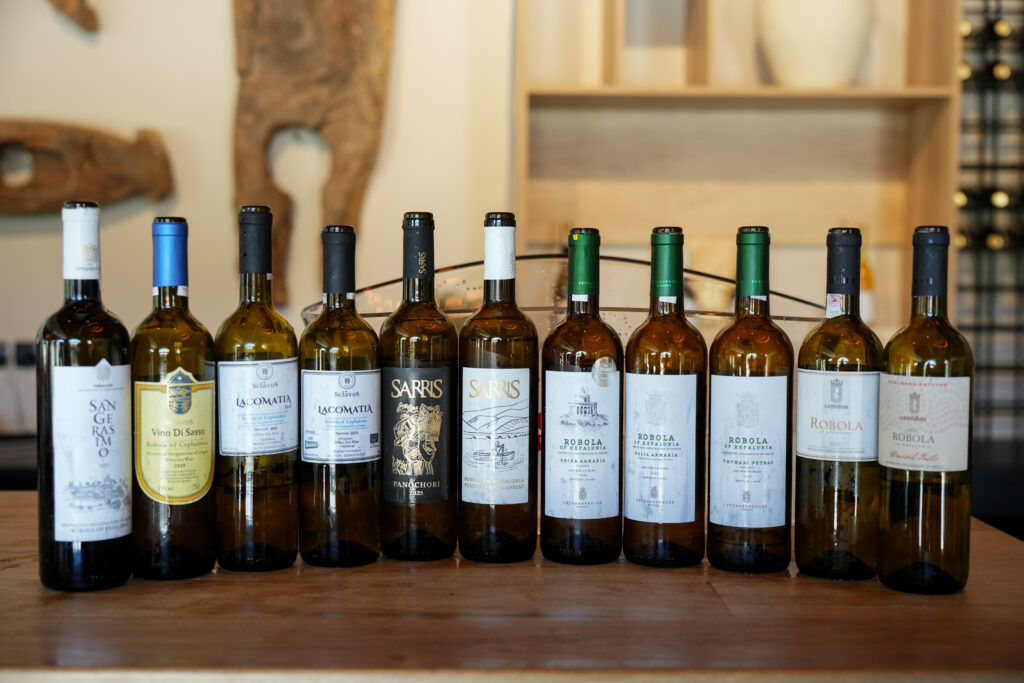
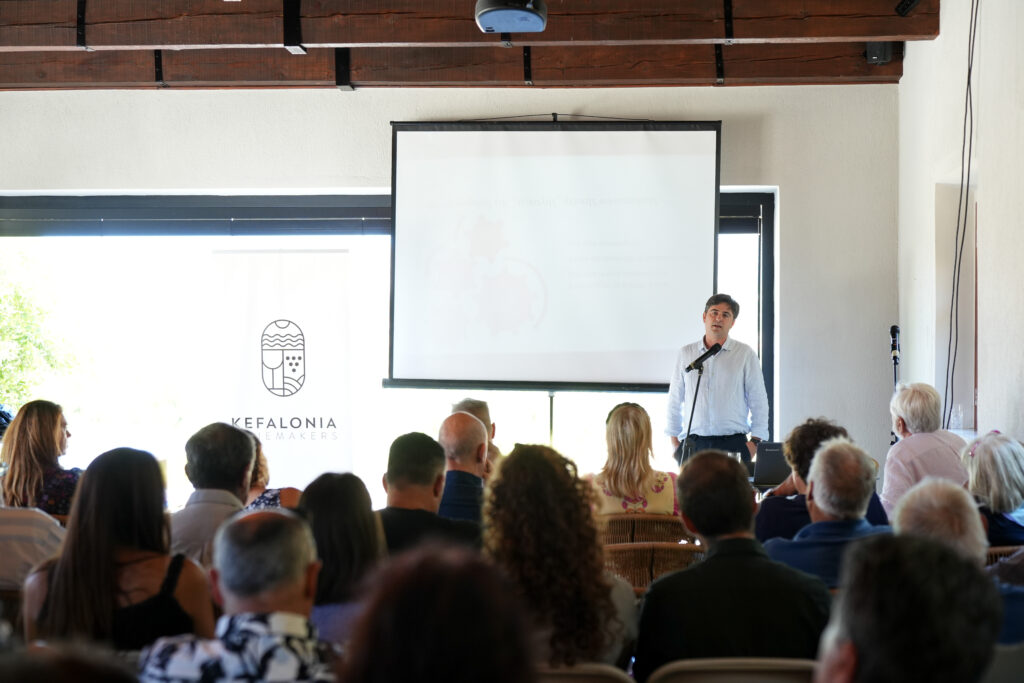
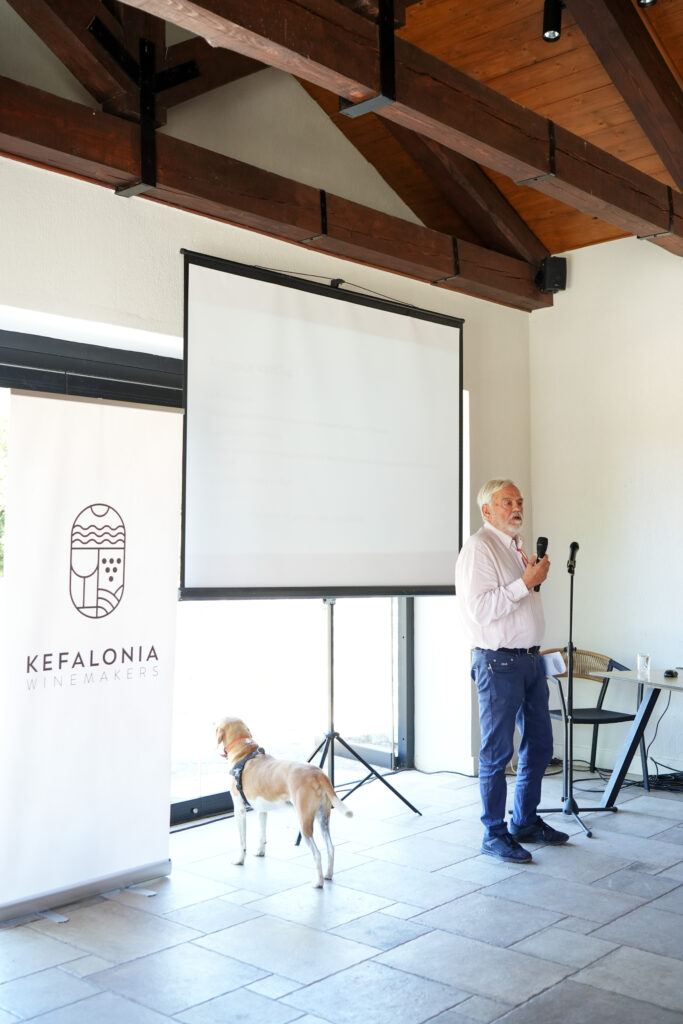
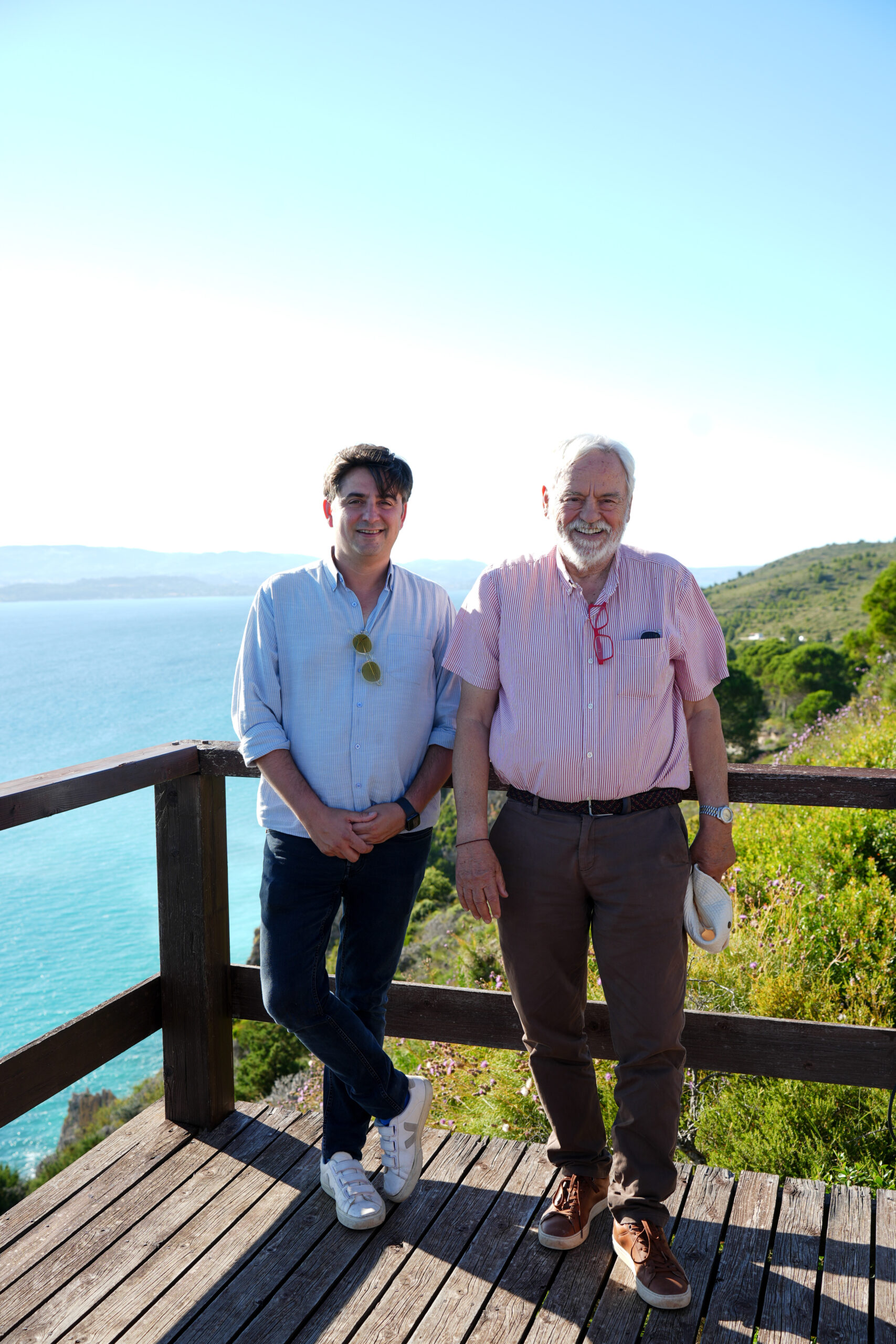
Recently, we had the pleasure of participating as keynote speakers at the 5th Kefalonia Wine Hub, organized by the Kefalonia Winemakers Association. The conference was dedicated to Robola, exploring the present and future of the variety through its sensory, winemaking, and viticultural dimensions.
As part of the conference, Spyros Zoumboulis presented the winemaking perspective of Robola, focusing on the decisions that shape the identity of a high-quality white wine.
Robola is a particularly compelling case study, clearly demonstrating how every decision made throughout the white winemaking process contributes to the final identity of the wine.
Key takeaways from the presentation
– White winemaking is a sequence of decisions, where every solution creates a new compromise.
– Great white wines are rare because there is nowhere to hide. Balance and mistakes become immediately visible.
– The first and most important decision is defining the objective: what kind of wine are we trying to create?
– Every stage of winemaking is interconnected. Harvest, pressing, fermentation, and ageing continuously influence one another.
– Quality starts with understanding the raw material. The same level of ripeness does not necessarily mean the same potential.
– Harvest is not a date; it is a strategic decision that determines the balance between freshness, texture, and complexity.
– Pressing is one of the most critical—and often underestimated—stages of white winemaking, determining which compounds become part of the wine and which remain behind.
– Fermentation is much more than converting sugar into alcohol. Temperature, nitrogen, oxygen, yeast selection, and malolactic fermentation all contribute to the final identity of the wine.
– There are no right or wrong decisions in winemaking. There are choices and different levels of risk.
– Technology can reduce risk and solve problems. However, a wine’s identity comes primarily from the raw material and the conscious decisions of the winemaker.
Today, Robola is going through a particularly exciting period of evolution and redefinition. This is precisely why it offers such a valuable opportunity for research, knowledge sharing, and meaningful discussion about the future of Greek viticulture and winemaking.
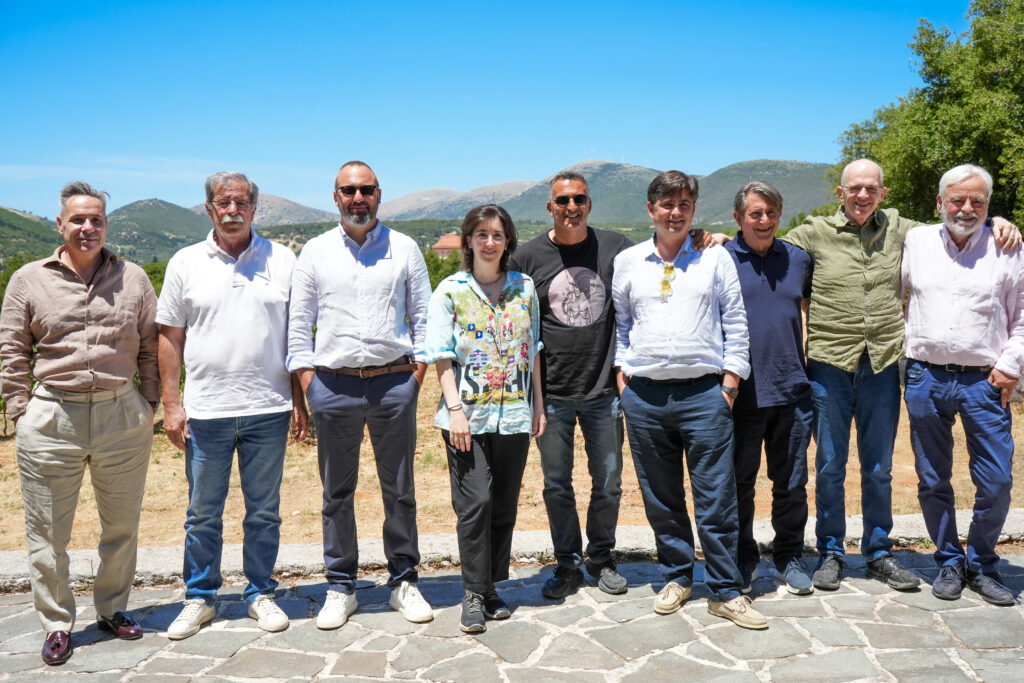
Our sincere thanks to the Kefalonia Winemakers Association and Antheia Kotsi for the invitation, the warm hospitality, and the excellent organization.
The full presentation is available here: